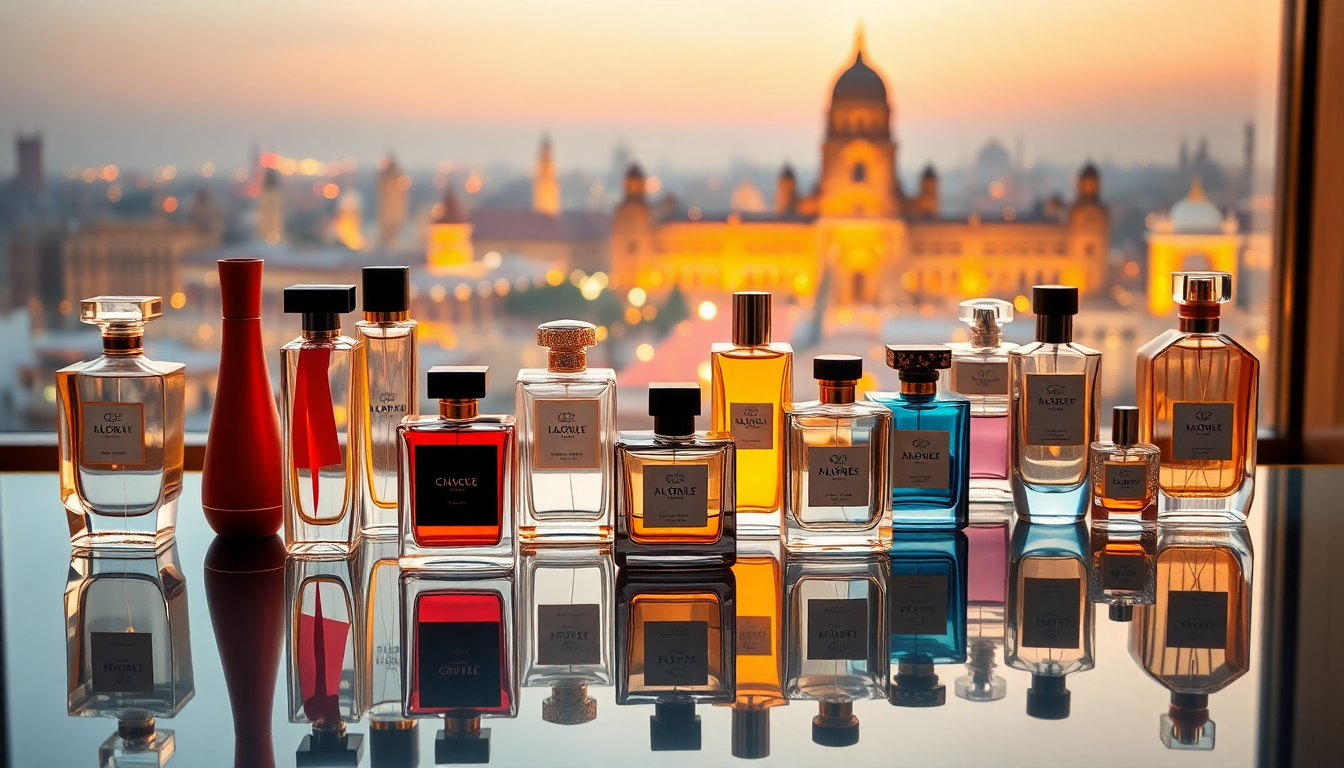
Designer perfume represents more than just a fragrance; it is a powerful expression of identity, luxury, and personal style. Across the world, people choose perfumes not only to smell pleasant but also to reflect their personality, mood, and social image 名牌香水. From high-end fashion houses to iconic fragrance collections, designer perfumes have become a symbol of sophistication and emotional connection that transcends generations.
The world of designer perfume is deeply rooted in fashion heritage. Many of the most famous perfumes come from legendary fashion houses such as Chanel, Dior, and Gucci. These brands originally built their reputations in clothing and couture, but later expanded into fragrance to complete their luxury lifestyle offerings. Their perfumes carry the same creativity, elegance, and craftsmanship found in their fashion designs, making them highly desirable around the globe.
One of the key features of designer perfume is the quality of ingredients used in its creation. Luxury perfume houses invest heavily in sourcing rare and refined raw materials such as jasmine, rose, sandalwood, amber, and musk. These ingredients are carefully blended by expert perfumers, often called “noses, ” who spend years perfecting unique scent compositions. The result is a fragrance that evolves over time on the skin, revealing different layers known as top, middle, and base notes.
Designer perfume is also closely connected to emotional experience and memory. A single scent can instantly trigger memories of a special event, a loved one, or a particular time in life. This emotional power is one of the reasons people remain loyal to certain fragrances for years. Perfume becomes part of personal identity, leaving a lasting impression wherever a person goes. It is not just worn; it is experienced.
The influence of branding plays a major role in the appeal of designer perfume. Luxury brands such as Versace and Yves Saint Laurent carefully design their perfume bottles, advertising campaigns, and packaging to reflect elegance and exclusivity. The visual presentation of a fragrance is just as important as its scent. A beautifully designed bottle can become a decorative piece, symbolizing style and prestige even before the perfume is used.
Another important aspect of designer perfume is its diversity. There is a wide range of fragrances available for different personalities, occasions, and seasons. Fresh and citrus-based perfumes are often preferred for daytime wear, while deeper, woody, or oriental scents are chosen for evening events. This variety allows individuals to build a fragrance wardrobe, selecting different perfumes depending on mood and setting.
Designer perfume also plays a significant role in the fashion and luxury industry as a whole. It serves as an entry point into high-end brands for many consumers. While designer clothing may be expensive and less accessible, perfumes offer a more affordable way to experience luxury. This makes fragrance a powerful marketing tool for fashion houses, allowing them to reach a broader audience while maintaining brand prestige.
The craftsmanship behind designer perfume is another reason for its value. Perfumers spend years studying chemistry, scent composition, and raw materials before they can create signature fragrances. Brands such as Prada and Tom Ford are known for their bold and innovative scent profiles that challenge traditional fragrance structures. Each perfume is carefully tested and refined to ensure it delivers a balanced and long-lasting experience.
Marketing and storytelling also contribute significantly to the success of designer perfume. Each fragrance is often accompanied by a story or concept that reflects a certain lifestyle or emotion. Advertisements feature elegant visuals, famous models, and cinematic themes that create a strong emotional connection with consumers. This storytelling approach transforms perfume from a simple product into a symbol of aspiration and desire.
Designer perfume trends continue to evolve with changing consumer preferences. In recent years, there has been a growing demand for niche-inspired designer fragrances that feel more personalized and unique. Consumers are increasingly looking for scents that stand out rather than mass-market fragrances. This has encouraged luxury brands to experiment with unconventional notes and modern compositions while still maintaining their signature identity.
Sustainability is also becoming an important focus in the designer perfume industry. Many brands are now adopting eco-friendly practices, such as using ethically sourced ingredients, recyclable packaging, and environmentally conscious production methods. This shift reflects a broader global awareness of environmental responsibility while still maintaining luxury standards.
Another fascinating element of designer perfume is its gender-neutral evolution. Traditionally, perfumes were categorized as masculine or feminine, but modern fragrance culture is becoming more fluid. Many designer perfumes are now created to be unisex, allowing individuals to choose scents based on personal preference rather than gender labels. This change reflects a more inclusive and expressive approach to fragrance.
The longevity and performance of designer perfume are also key factors in its popularity. High-quality perfumes are designed to last for hours, gradually releasing different layers of scent throughout the day. This lasting effect enhances the wearer’s presence and ensures a consistent fragrance experience. The concentration of essential oils in designer perfumes is carefully balanced to achieve both strength and elegance.
In conclusion, designer perfume is far more than a beauty product; it is a form of art, identity, and emotional expression. From the craftsmanship of expert perfumers to the storytelling of luxury brands, every aspect of fragrance creation is designed to inspire and captivate. Whether created by iconic houses like Chanel or innovative designers like Tom Ford, designer perfumes continue to shape personal style and luxury culture around the world. As trends evolve and creativity expands, perfume remains one of the most powerful and intimate forms of self-expression available today.